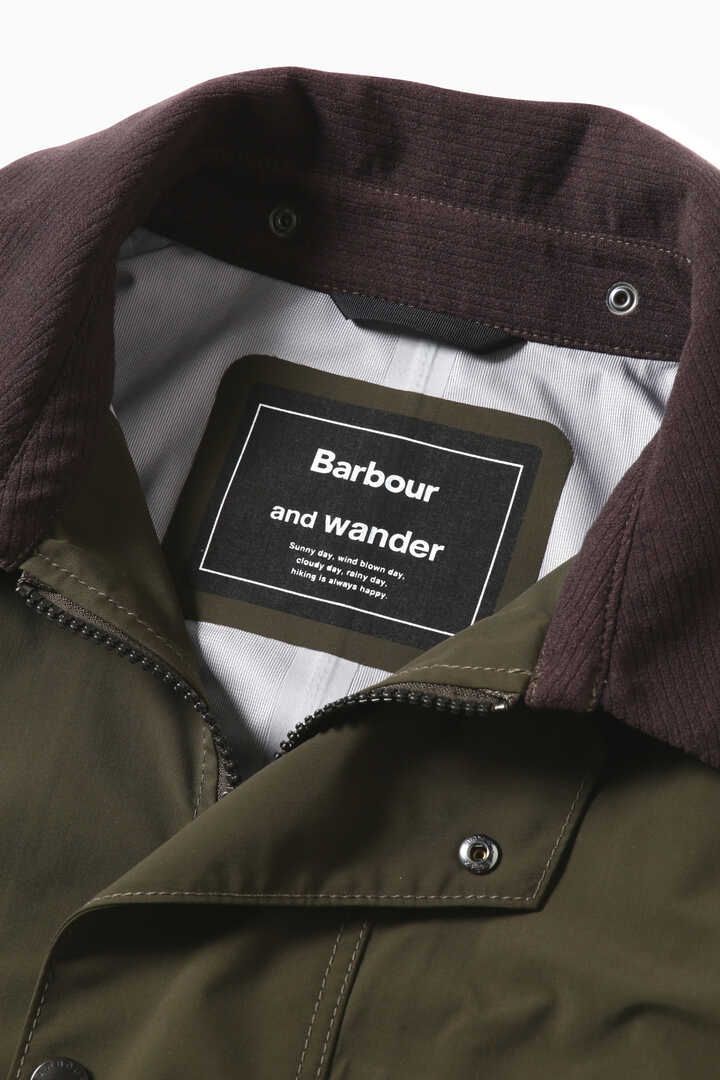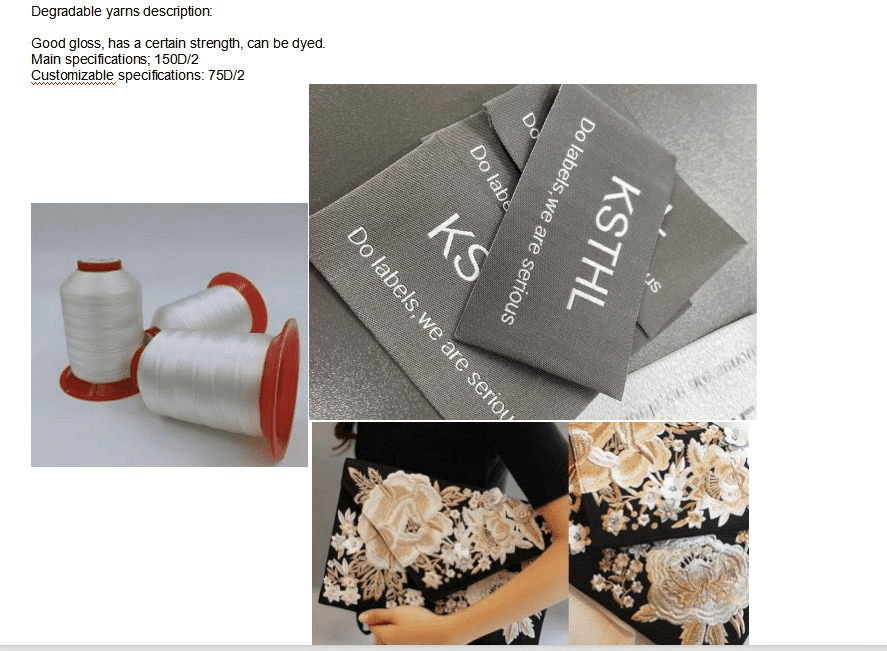
biodegradable woven labels are leading a green revolution in the fashion industry
In the current wave of the pursuit of sustainable development, biodegradable woven labels are leading a green revolution in the fashion industry.
Eco-Friendly Biodegradable Woven Labels: Every step of the production process of these labels, from the selection of raw materials to the manufacturing techniques, fully embodies the environmental protection concept. They abandon traditional harmful chemical substances and use natural fibers derived from plants. These fibers can decompose naturally in the environment, just like fallen leaves returning to the roots, without adding any burden to the earth. They have become the focus of attention for many environmentalists when purchasing clothes.
Sustainable Fashion with Biodegradable Woven Labels: Fashion no longer only concerns the gorgeous appearance; sustainability has become a core element. When biodegradable woven labels are sewn onto clothing, it seems to tell a story of harmonious coexistence with nature from growth, production to disposal. Designers skillfully incorporate them into various styles of clothing, whether it’s simple daily wear or high-end custom-made gowns, allowing fashion to move forward on the track of environmental protection.
Biodegradable Woven Labels for Green Apparel: The definition of green clothing is constantly being enriched, and biodegradable woven labels are a crucial part of it. It is like the “ID card” of green clothing, indicating to consumers that not only the fabric of this garment is environmentally friendly, but even the small label is reducing the burden on the earth. Whether it’s a T-shirt made of organic cotton or a coat made of recycled fibers, with such a label, it can be called all-round green fashion.
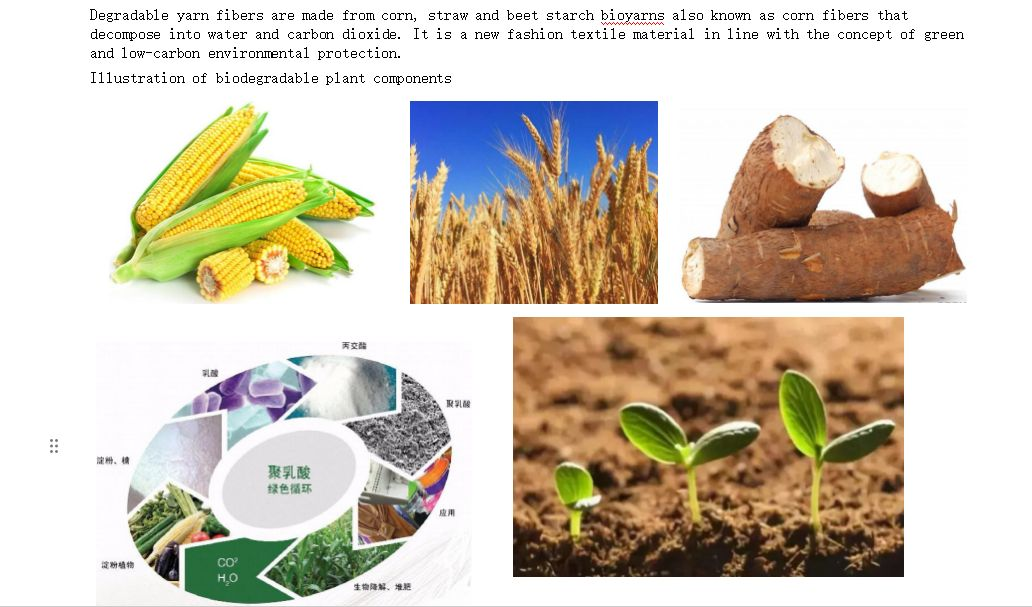
Artisan-Signed Woven Labels as Luxury Symbols
Next-Gen Biodegradable Woven Label Technology: Researchers have never stopped exploring. The next-generation technology is highly anticipated. Perhaps it will be new materials that can achieve complete degradation in a shorter time, or intelligent labels that can display information such as the number of times the clothing has been washed and the material composition through intelligent sensing and color change, perfectly integrating technology and environmental protection and opening a new chapter in the field of woven labels.
Organic Materials in Biodegradable Woven Labels: Bamboo fibers extracted from bamboo, for example, have excellent antibacterial and breathable properties. There are also fibers made from waste agricultural products. These organic materials form the “flesh and blood” of biodegradable woven labels. They bring the gifts of nature, endow the labels with environmental protection power, and also find a high-value-added way out for traditional agricultural waste.
Zero-Waste Biodegradable Woven Labels: Starting from the production source, through precise material calculation and process optimization, it is ensured that almost no leftover materials are generated during the production of woven labels. Even at the end of their use, they can return to nature without any residue, truly realizing a zero-waste full life cycle from cradle to cradle, which is the ultimate manifestation of the environmental protection concept.
Fashion Brands Embracing Biodegradable Woven Labels: More and more well-known fashion brands have realized the significance of their environmental responsibilities and have successively incorporated biodegradable woven labels into their product systems. From international luxury brands to niche trendy brands, they showcase clothing with such labels on the runway and in their daily product lines. This not only enhances the social image of the brands but also leads consumers to make greener consumption choices.
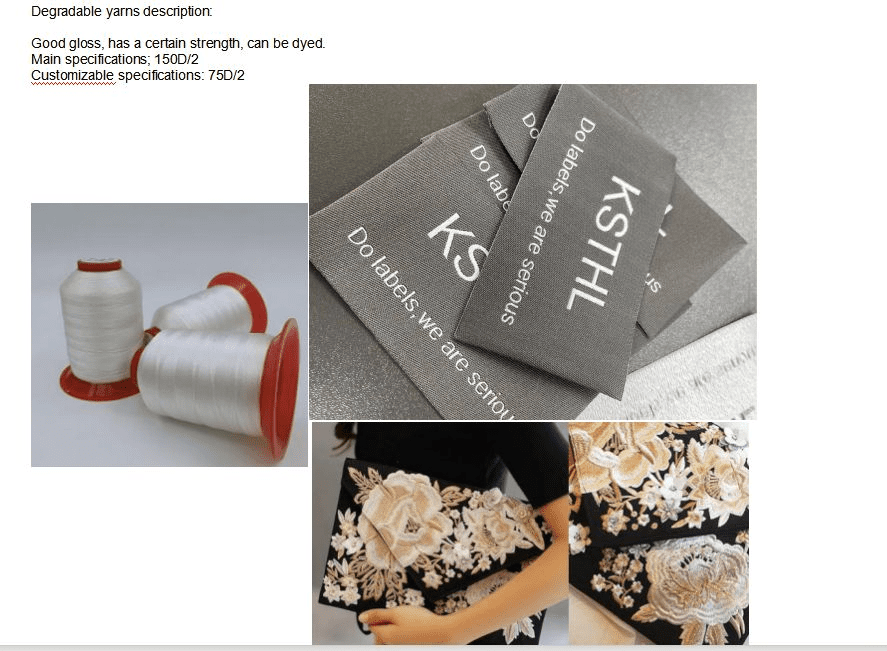
Eco-Friendly Biodegradable Woven Labels
Biodegradable Woven Labels: A Solution to Textile Waste: Traditional textile waste piles up like mountains, putting great pressure on the environment. The emergence of biodegradable woven labels is like a ray of dawn. When clothes are discarded, the woven labels are no longer stubborn “holdouts”. Instead, they decompose slowly over time, reducing the stay of textile waste in landfills or incinerators and alleviating the urgent environmental problems.
Innovative Designs of Biodegradable Woven Labels: Designers let their imaginations run wild and make bold innovations in the shape, pattern, and color matching of woven labels. For example, they design them in the shape of natural elements such as leaves and flowers, or use color-changing inks to present brand logos. This not only satisfies consumers’ pursuit of beauty but also highlights the environmental protection characteristics, turning the woven labels from inconspicuous accessories into the finishing touches on clothing.
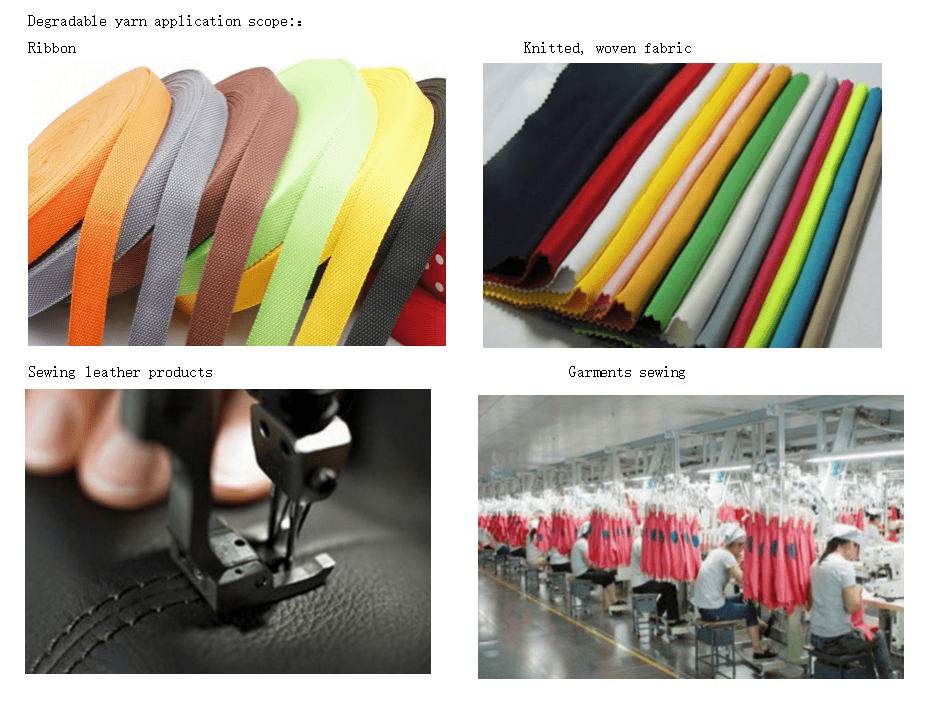
Biodegradable Woven Labels for Green Apparel
Consumer Demand for Biodegradable Woven Labels: Today’s consumers are becoming more and more discerning. When choosing clothes, they no longer only focus on price and style. Environmental factors account for an important proportion. The growing demand for biodegradable woven labels prompts the market to continuously adjust its supply, forming a virtuous interaction from production to consumption and promoting the entire fashion industry to transform towards green.
Biodegradable Woven Labels in Luxury Garments: Even in the luxury field that pursues ultimate quality and luxurious experience, biodegradable woven labels have found their place. They complement top-notch fabrics and exquisite craftsmanship, injecting soul into luxury. A jeweled evening gown, paired with delicate and environmentally friendly biodegradable woven labels, showcases noble taste and guardianship of the earth.
Cost-Effective Biodegradable Woven Labels: With the progress of technology and the emergence of scale effects, the cost of biodegradable woven labels is gradually decreasing. Enterprises no longer need to bear high cost pressures to pursue environmental protection. They can not only meet the requirements of environmental regulations but also stand out in market competition with cost-effective advantages, achieving a win-win situation in economic and environmental benefits.
Biodegradable Woven Labels: Reducing Environmental Footprint: Every small biodegradable woven label is quietly contributing to the ecological balance of the earth. Compared with traditional woven labels, it reduces energy consumption during production and pollution to soil, water sources, etc. after being discarded, gradually shrinking the impact of human activities on the environment and leaving behind a cleaner land and fresher air.
Biodegradable Woven Labels vs Traditional Labels: From the sustainability of raw materials to degradation characteristics and long-term environmental impacts, the two are completely different. Traditional woven labels use chemical fiber materials that have remained unchanged for years and are difficult to degrade, while biodegradable woven labels have opened a new era of environmental protection. In this old-versus-new showdown, the outcome is clear, and the path of environmental protection is inevitable.
Biodegradable Woven Labels: The Future of Clothing Identification: Looking ahead, biodegradable woven labels will become a standard feature of clothing. With the popularization of environmental awareness throughout society and the rapid development of technology, traditional woven labels will gradually fade out of the historical stage. Instead, these green, intelligent, and creative biodegradable woven labels will carry the dual missions of the brand and environmental protection and accompany each piece of clothing throughout its life.