The True Value of Apparel Labels
The True Value of Apparel Labels: Beyond Low Prices
In the world of fashion, apparel labels play a multifaceted role. While price is a consideration, it should never be the sole determinant. A low – cost label might initially seem appealing, but it often comes with sacrifices.
Quality of materials is a prime factor. For instance, a fabric damask label made from sub – standard materials will lack the luxurious sheen and durability that high – end brands demand. Such a label, despite its low price, will fail to convey the brand’s premium image. On the other hand, a well – crafted label using top – notch materials, although more expensive, can enhance the perceived value of the garment significantly.
Design also contributes to the cost – effectiveness equation. A unique and eye – catching label design can set a brand apart. Professional designers may charge more, but their work can attract customers and build brand loyalty. In contrast, a cheaply designed label may look generic and fail to make an impact.
Moreover, the service provided by the label supplier is integral. A supplier that offers quick turnaround times, excellent communication, and customization options adds value. Even if their labels are not the cheapest, the overall package can be more cost – effective in the long run. Brands must weigh all these elements to truly understand the value of apparel labels.
Cost – effectiveness in Apparel Label Selection: A Holistic Approach
When selecting apparel labels, brands need to take a holistic view to ensure cost – effectiveness. The price of a label is just the tip of the iceberg.
Consider the production process. A label that is inexpensive to purchase but requires complex and costly application methods on the garment may not be cost – effective. For example, some end – fold labels might be cheaply made, but if attaching them to the clothing demands extra labor and time, the overall cost escalates.
Long – term durability is another aspect. A low – price clothing tag that fades or gets damaged easily will need to be replaced frequently. This not only incurs additional costs but also reflects poorly on the brand. A more expensive but durable tag will save costs in the long term and maintain the brand’s integrity.
The information conveyed by the label is also crucial. A label that clearly and accurately presents product details, such as fabric composition, care instructions, and size information, is valuable. Even if it comes at a higher price, it can prevent customer dissatisfaction and returns. In contrast, a cheap, unclear label may lead to customer confusion and ultimately cost the brand more.
Unraveling the Cost – effectiveness of Apparel Labels
Apparel labels are more than just decorative add – ons; they are an investment for brands. While chasing low – price labels might seem like a money – saving strategy, it often backfires.
The printing quality of a label is a key indicator of its cost – effectiveness. A label with poor printing, where the brand logo or text is blurry, can give a negative impression of the brand. High – quality printing, though it may increase the label’s price, ensures that the brand message is clearly communicated. This can lead to increased brand recognition and customer trust, which in turn has long – term financial benefits.
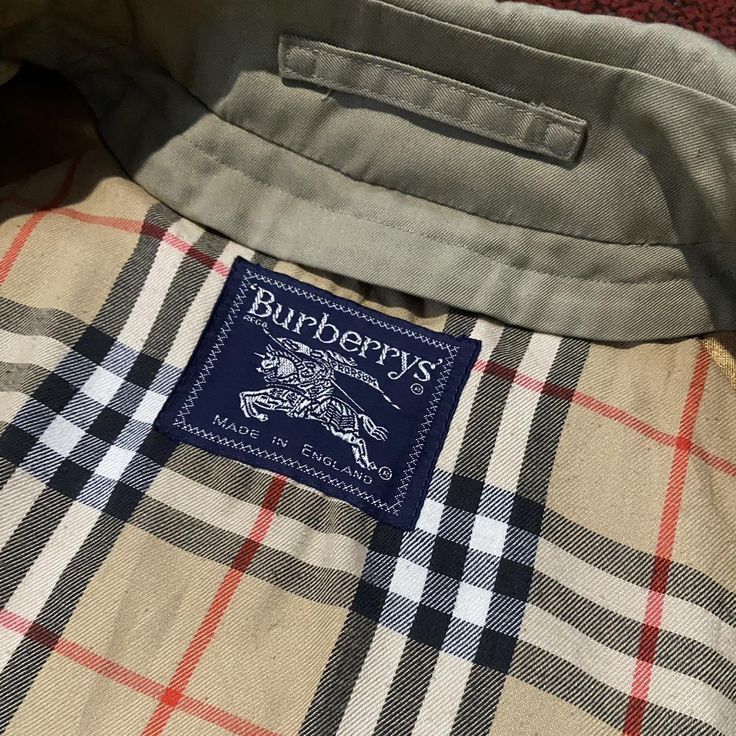
The type of label also impacts cost – effectiveness. For example, a woven label, known for its durability and high – end look, may be more expensive than a printed label. However, for a luxury brand, the added value it brings in terms of brand image and customer perception far outweighs the higher cost.
In addition, the relationship with the label supplier affects the overall cost. A supplier that offers good after – sales service, such as handling label design changes or providing additional samples without excessive charges, can make the label procurement process more cost – effective. Brands should look beyond the price tag and evaluate all these aspects to make the right choice.