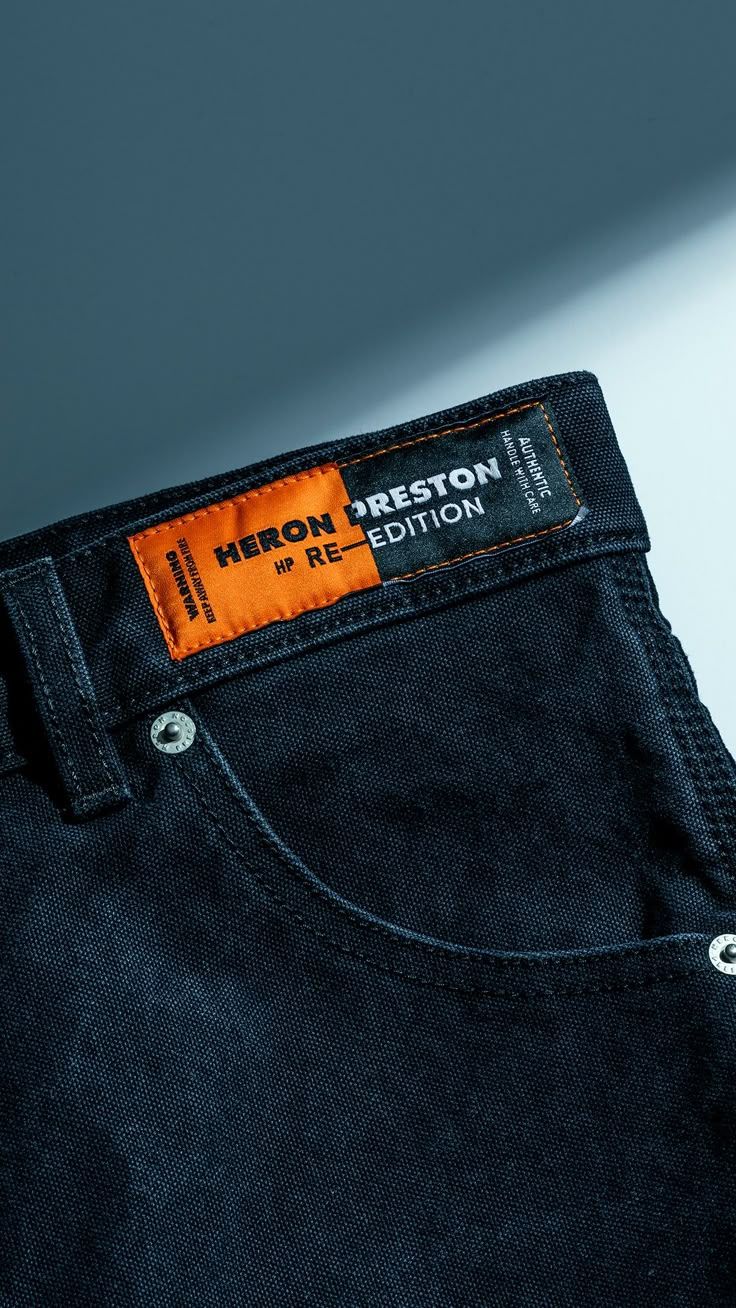
Clothing Labels: The Crucial Guide Behind Fashion
In the glamorous world of fashion, clothing labels are like unsung heroes. Seemingly unremarkable, they are actually of great significance. Whether it’s a delicate garment, a pair of comfortable shoes, or a stylish hat, labels are always there, playing an irreplaceable role.
From the brand’s perspective, clothing labels are the visual representatives of the brand image. The trademark, one of the most common forms of labels, is like the brand’s “identity card”. With its unique design, distinct colors, and eye-catching patterns, consumers can recognize it at a glance. When we see Nike’s classic swoosh or Adidas’ three stripes, the brand’s style and image immediately come to mind. This is the powerful brand identification function of trademarks. Moreover, details such as the material and printing process of brand labels can also convey the brand’s sense of quality and positioning. High – end brands often use high – quality materials for their labels, with fine printing to show luxury. While fast – fashion brands’ labels focus more on simplicity, clarity, and fashion sense to match their rapidly changing styles.
For consumers, clothing labels are important reference materials when shopping. The product size or specification marked on the hangtag allows us to quickly find the size that suits our figure. The “size” represents height, and the “type” corresponds to the bust or waist circumference. Based on these accurate data, we can select well – fitting clothes without repeated trying on. The description of fiber composition and content is also crucial. When buying a sweater in winter, we pay attention to the wool content because it directly affects warmth and softness. When choosing a shirt in summer, understanding the proportion of cotton, linen, or chemical fiber can help us judge breathability and comfort. In addition, the washing instructions are the “bible” for daily clothing care. Symbols such as the trough – shaped pattern, numbers, and crosses in the washing label, the changes of circles and internal letters in the dry – cleaning label, and the triangular pattern in the bleaching label may seem complicated, but once understood, they can ensure that clothes are washed correctly and their service life is extended.
Clothing labels also carry key product information. The name and address of the manufacturer clarify the responsible entity. If there are quality problems with the product, consumers can trace the source. The product name accurately indicates the true nature of the clothing, avoiding misleading consumers. The product standard number implemented reflects the norms followed by the product in terms of quality and safety, giving consumers more confidence in product quality. The safety category label cannot be ignored. Category A is suitable for infants, Category B can be in direct contact with the skin, and Category C cannot be in direct contact with the skin. This provides important safety guarantees for consumers, especially sensitive groups.
Clothing labels are by no means dispensable accessories. They are the carriers of brand communication, the guides for consumers to shop and maintain clothes, and the aggregators of product information. While pursuing fashion, we should attach importance to clothing labels, so that they can better escort our dressing experience. This also promotes the continuous progress of the clothing industry in terms of standardization and quality improvement.